



























World War III? These Countries Offer Structural Security
For People Who Do Not Leave Security to Chance
Reading time: 9 minutes
Reading time: 9 minutes

An entire region is reduced to rubble. One president is overthrown, another is killed. Without warning. Without legitimacy. International law still exists as a document, but no longer as a reality. That is the geopolitical situation in 2026.
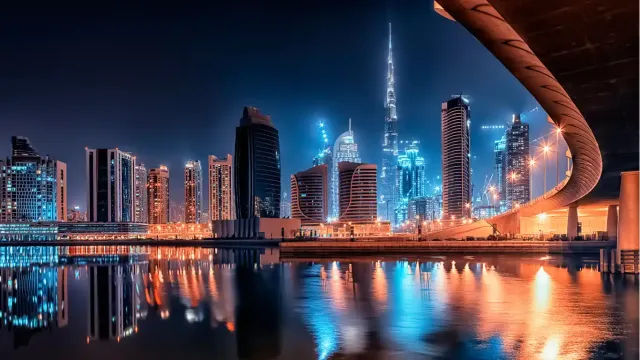
Until recently, Dubai was the destination of choice for thousands of wealthy entrepreneurs from around
the world. They established residencies, formed companies and bought property there. Billions flowed
into a city-state without democracy, with limited judicial independence, located in one of the most
unstable regions in the world. The hype was loud. The influencers were everywhere. Anyone who asked
early enough why nobody was discussing the risks received no answer. Just more content.
Then the
conflict escalated. Suddenly, nothing that had seemed secure the day before could still be taken for
granted.
Proper due diligence would have revealed clear warning
signs.
Geographic exposure. Geopolitical dependencies. Lack of neutrality. Resources that attract the interest of other powers.
Anyone developing a Plan B without asking these questions does not have a Plan B. They have an illusion with good weather.
This article assesses countries according to the criteria that matter when circumstances become serious — not only tax advantages, Instagram aesthetics or whichever influencer happens to live there.
Most location analyses begin with taxes. Some begin with quality of life. Very few begin with the question that should really come first: What happens here if the world becomes unstable?
Structural security is not a matter of feeling. It is the result of six factors that can be assessed independently. Together, they create a picture that is more honest than any influencer report.
Distance is the most underestimated protective factor of all. Countries that are physically far removed from active conflict zones — separated by oceans, mountain ranges or sheer distance — are structurally harder to reach and strategically less relevant. Proximity to conflict zones is not an abstract risk. It is a concrete one.
A country that is not aligned with any side is less likely to become a direct target. Neutrality is not weakness. It is a strategic decision that can protect lives and assets during a crisis. NATO membership means automatic alignment in the event of a conflict, with all the consequences that may follow.
A country capable of feeding its own population is independent. Dependence on imported staple foods is not merely a logistical challenge during a crisis. It is an existential vulnerability. A country that imports its food also imports the instability of its supply chains.
Dependence on imported oil and gas creates geopolitical vulnerability. Countries with a high share of renewable energy — including wind, hydropower, geothermal and solar — are structurally more stable because they do not rely as heavily on energy imports from unstable regions.
Under normal conditions, NATO membership is a security guarantee. In an escalation scenario, it can also make a country a target. Countries outside this structure remain outside the automatic escalation logic connected to it.
Wars are not fought only over ideology. They are also fought over resources. Oil. Gas. Lithium. Copper. Rare earths. Countries without strategically important quantities of these resources are less interesting to major powers. Countries rich in them may eventually become the stage for competing foreign interests.
Europe is excluded. NATO membership, geographic proximity to active conflict zones and energy dependence that has proven to be a structural weakness make the continent one of the least suitable Plan B options.
The Middle East is a conflict region interrupted by temporary periods of calm, as Dubai has shown.
Asia could become the next level of escalation. US military bases, Chinese power projection and the unresolved Taiwan conflict make the wider Indo-Pacific a high-risk region for the coming decades.
What remains is South America and the South Pacific. Far away, politically neutral, comparatively self-sufficient and structurally less important to major powers. That is what makes these seven countries the most serious answers to the question of structural security.

Located 2,000 kilometers from the nearest continent, in the middle of the South Pacific, New Zealand has no land borders and no strategically sensitive neighbors. In 1987, the country declared itself a nuclear-free zone by law, a position that remains in place today. The ANZUS agreement with the United States still exists, but it is defensive in nature and has effectively been suspended since the nuclear dispute of 1986. New Zealand is not a NATO member.
The country is fully capable of feeding itself. Milk, meat and grain — New Zealand exports food rather than depending on imports. Around 85 percent of its electricity comes from renewable sources. Limited oil and gas reserves exist, but they carry little geopolitical significance. The country has a low strategic profile for major powers.
Those who do not want to invest capital may qualify through the Skilled Migrant route, provided they have an eligible job. Those who want to invest need at least NZD 5 million, approximately EUR 2.8 million. New Zealand does not offer a citizenship-by-investment program.
New Zealand taxes worldwide income and offers no clear tax advantage over other high-tax countries. Its value lies almost entirely in its geographic and geopolitical security. For anyone whose main priority is tax optimization, it is not the right country.

Located 1,700 kilometers from Australia in the middle of the South Pacific, Vanuatu has no military alliances and little strategic significance to any major power. Vanuatu does not wage wars, has no obvious enemies and is unlikely to appear high on any strategic target list. That is not an accident. It is a structural advantage.
Local food self-sufficiency has worked for generations. Fish, fruit and vegetables allow the islands to feed themselves. The share of renewable energy is growing, although Vanuatu remains heavily dependent on imported fossil fuels.
There are no strategically important mineral resources, no foreign military bases and no known reserves likely to attract serious geopolitical interest.
Vanuatu is the only country on this list with an operating citizenship-by-investment program. An investment of around USD 130,000 can provide citizenship within a few months, without a residence requirement or language test. Visa-free access to the Schengen Area has been suspended, but the passport remains valid for travel to more than 90 countries. There is no personal income tax.
The fastest and strongest option on this list from a tax perspective. Anyone seeking to combine a second passport with 0% personal income tax will find the most direct route here.

Located around 2,000 kilometers from New Zealand, deep in the South Pacific, Fiji has no major military alliances and no resources likely to attract the attention of major powers. Fiji is geographically isolated, politically neutral and has a low strategic profile. It has no significant rare earth, oil or gas reserves.
The islands produce much of their own food, including fish, sugar and tropical fruit. Energy increasingly comes from solar and wind. Fiji's civil-protection infrastructure has been tested by decades of experience with tropical cyclones. It is a country that knows how to respond to crises.
Fiji does not offer a traditional citizenship-by-investment program. Residency may be available through company formation or business investment, with the required investment depending on the individual project. The route is viable, but more case-specific than in other countries on this list.
Fiji offers no clear tax advantage over the other options on this list. Its value lies in its geographic position and political neutrality, making it suitable for people who place security above tax optimization.
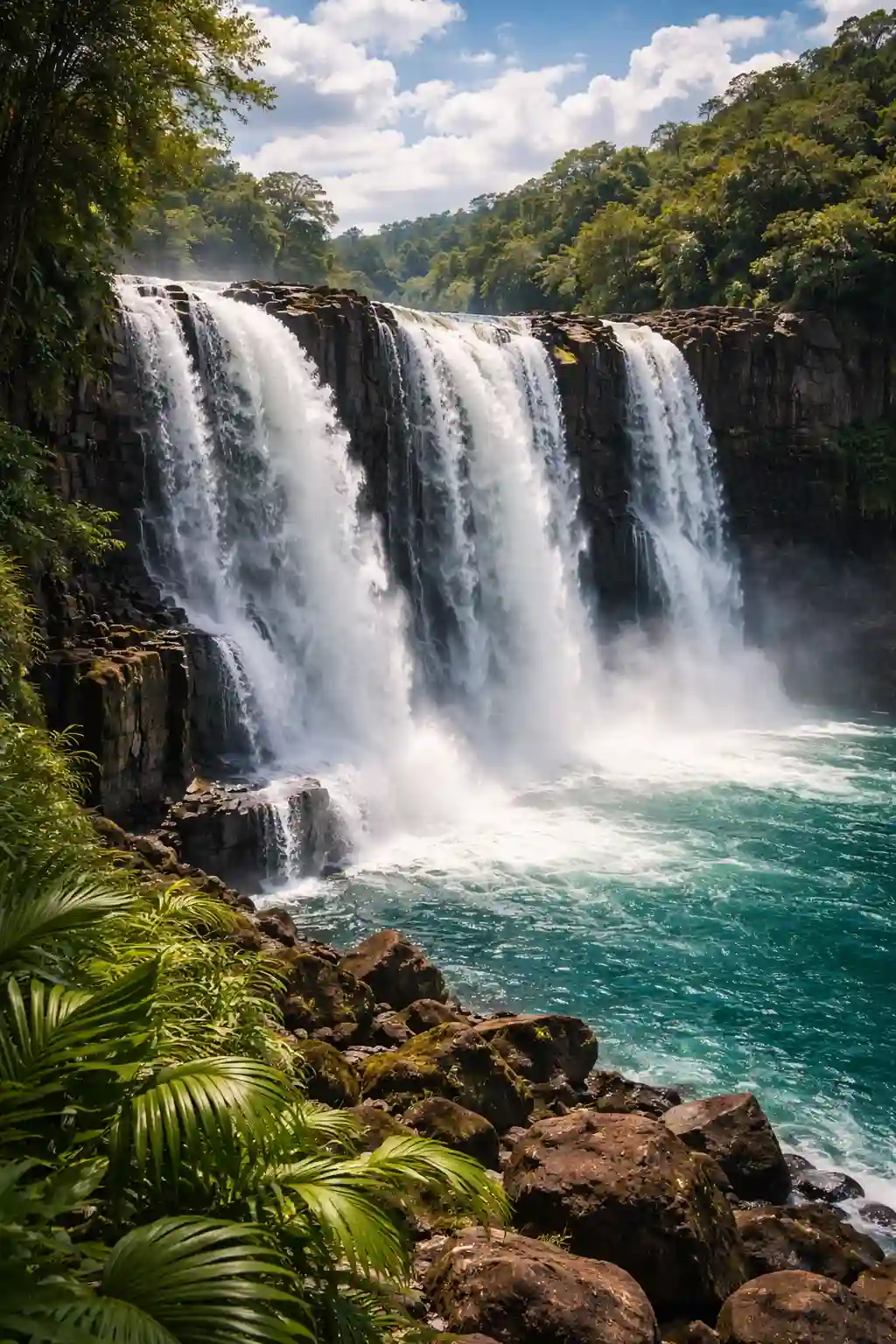
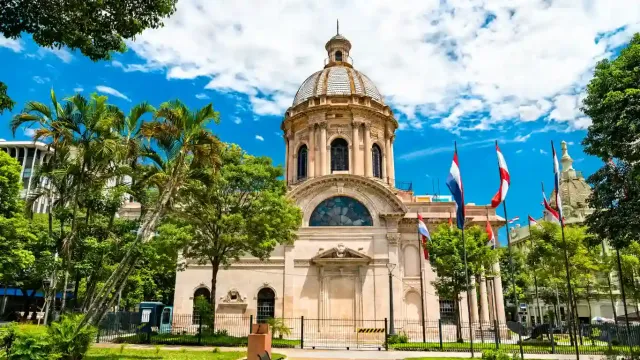
Located in the center of South America, without access to the sea, major strategic resources or military relevance to any major power, Paraguay has maintained a consistently neutral foreign policy for decades. It is not part of a military alliance. A country without a major port also presents fewer obvious strategic targets.
Paraguay is one of the world's largest soybean exporters and a major exporter of beef, so food supply is not a concern. Its electricity comes almost entirely from hydropower. The Itaipú Dam produces so much electricity that Paraguay exports the surplus, giving it some of the lowest electricity costs in South America. The country has no major oil, gas or rare-earth reserves.
Paraguay offers residency without a minimum investment and without a significant ongoing presence requirement, making it one of the most accessible options on this list. Citizenship may become available after three years of residency. Paraguay does not offer a citizenship-by-investment program, but the combination of accessible residency and a potential route to a second passport makes it a pragmatic solution for people with a smaller budget.
Paraguay generally does not tax foreign-source income. Anyone who moves their main base there may pay 0% tax on qualifying foreign income. Combined with its affordable residency process, Paraguay is one of the most cost-efficient options on this list, both in terms of structural security and taxation.

Located at the southern end of South America, around 10,000 kilometers from Europe and Asia, Uruguay has one of the most neutral foreign policies on the continent. It is not a NATO member, has no major military alliances and possesses few resources likely to attract strategic competition. Uruguay exports food, including beef, soy and rice, and is capable of feeding itself. Almost all of its electricity comes from wind and hydropower. It is also one of the least corrupt countries in Latin America, with stable rule-of-law institutions that are unusual in the region.
Residency is available with proof of income of realistically around USD 1,500 per month, making it one of the most accessible options on the list. Uruguay does not offer a citizenship-by-investment program. Citizenship may become available after three years, or after two years for married applicants.
Uruguay combines political stability, geographic security and one of the most attractive tax-residency frameworks in South America. From 2026, those seeking tax residency have three possible routes to an eleven-year exemption on foreign investment income: more than 183 days of physical presence per year without a minimum investment, a real-estate investment of at least USD 2 million combined with only 60 days of presence, or an annual contribution of USD 100,000 to the government innovation fund. For entrepreneurs who value substance over hype, Uruguay is the most developed option on this list.
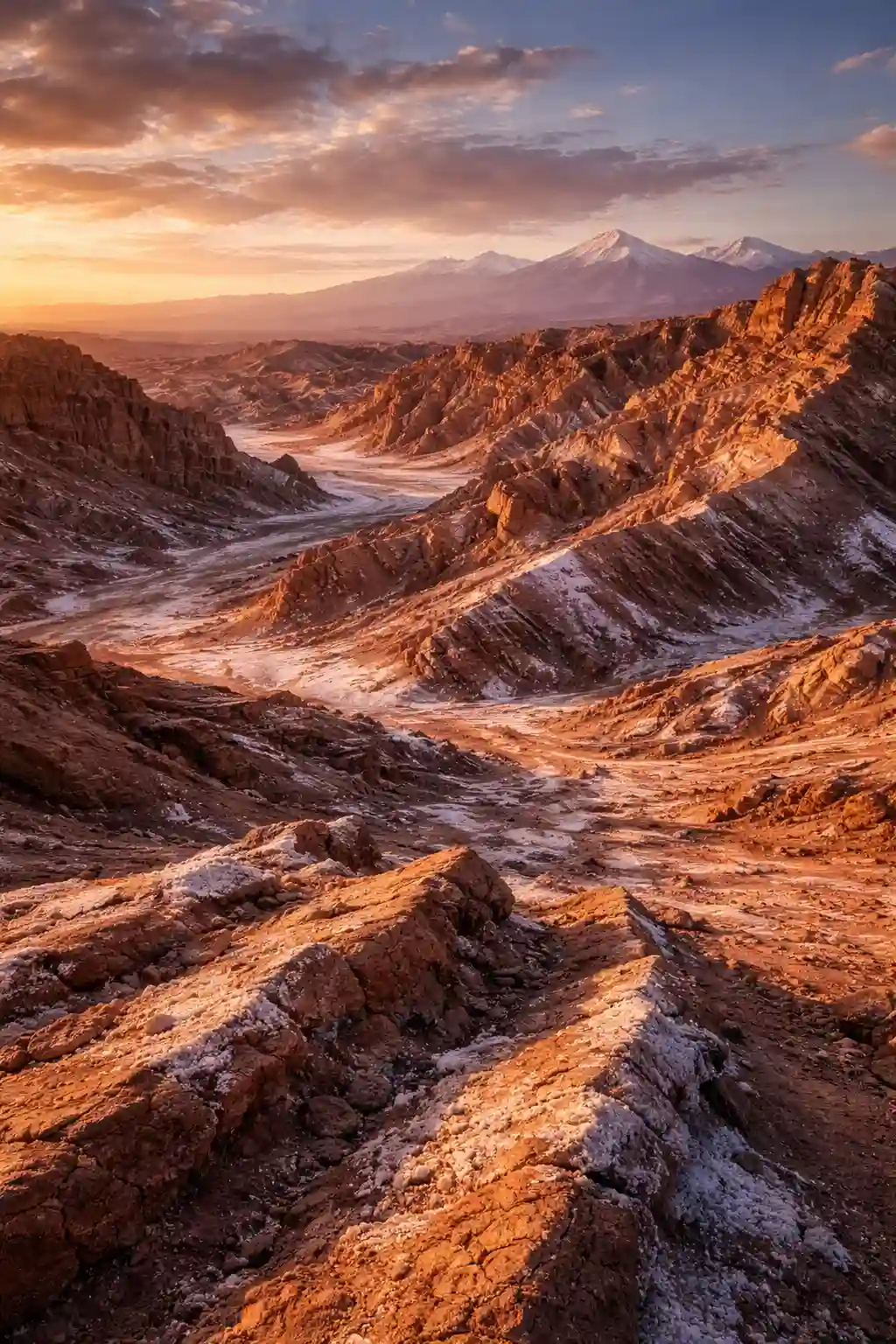
The Pacific Ocean to the west, the Andes to the east, the Atacama Desert to the north and Antarctica to the south — Chile is protected by natural barriers on every side. Its extraordinary north-to-south length makes the country geographically unique. It has no active military alliances, maintains a stable foreign policy and is not a NATO member.
Agriculture, fishing and wine production make Chile largely self-sufficient. The Atacama is one of the sunniest regions on Earth, and solar and wind energy cover a growing share of electricity demand. The main reservation is that Chile possesses major lithium and copper reserves. These resources attract the interest of major powers and make Chile structurally more exposed than other countries on this list.
Residency is available through two main routes: proof of income of realistically around USD 1,500 per month, or an investor visa based on an investment of around USD 60,000. Chile does not offer a citizenship-by-investment program. Citizenship may become available after five years.
Geographically strong but unremarkable from a tax perspective, Chile taxes worldwide income and offers few meaningful tax advantages to new residents. Its value lies in its protected geography rather than its tax system. The risks associated with its strategic resources should be included in any decision.
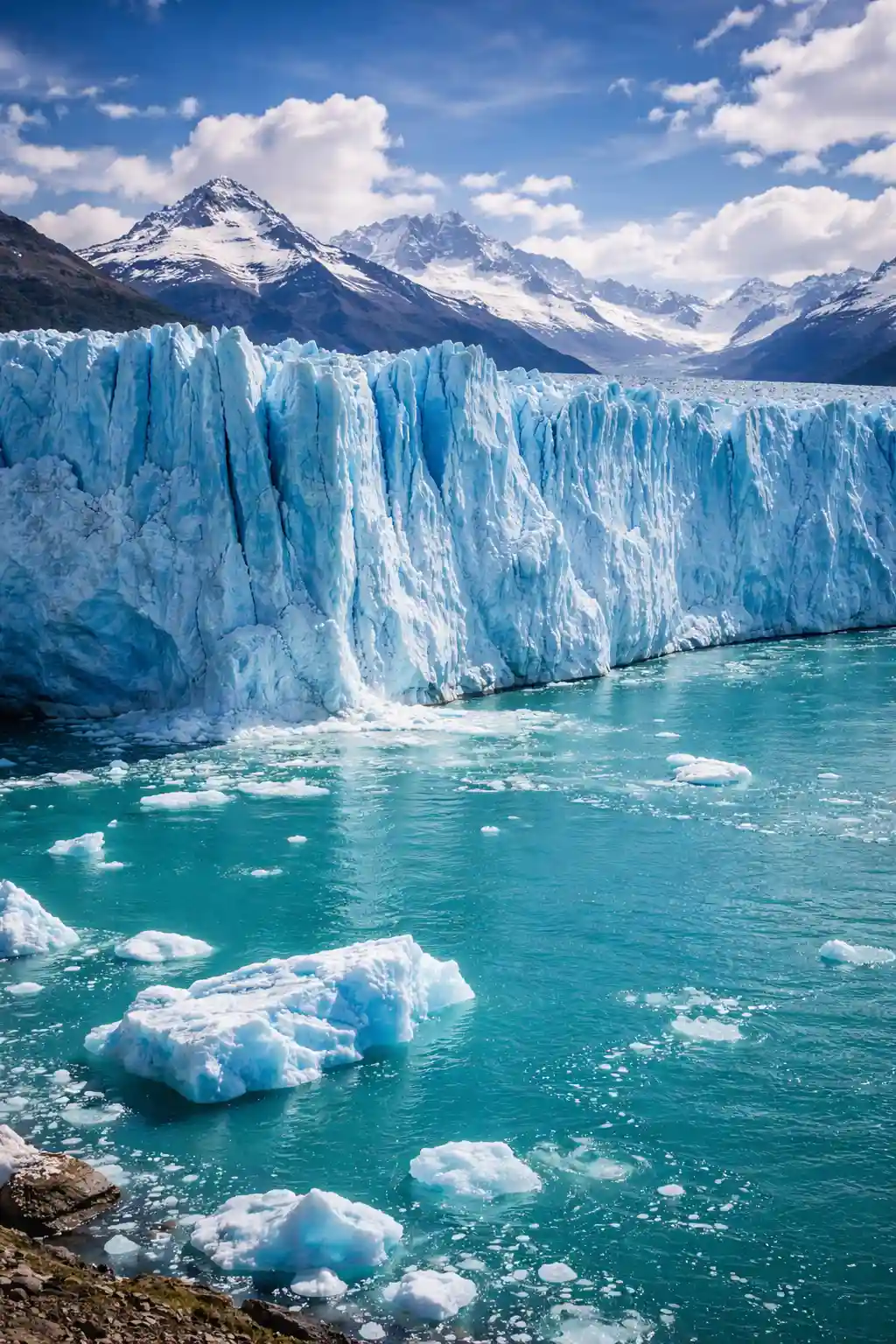
Argentina is located at a great distance from every active war zone, remains non-aligned and has no active military alliances. It is the second-largest country in South America by area, with vast, sparsely populated regions that remain structurally low-profile. Argentina is not a NATO member.
Food supply is secure. Argentina exports beef, soy and wheat on a large scale. Wind and hydropower cover a growing share of energy demand. The key reservation is that Vaca Muerta in the south is one of the largest oil and gas fields in the world, while the lithium triangle in the northwest contains some of the world's largest lithium reserves. These resources attract geopolitical interest and make Argentina more structurally exposed than Uruguay or Paraguay.
Residency is available through proof of income or employment. Argentina has announced a citizenship-by-investment program with a minimum investment of around USD 500,000, direct citizenship without a residency requirement and an expected launch in 2026 or 2027 based on Decree 524/2025.
Argentina taxes worldwide income and also imposes a wealth tax on global assets, making it one of the least attractive tax locations on this list. The announced citizenship-by-investment program starting at around USD 500,000 would make Argentina interesting mainly as a second-passport option, not as a tax residence. The strategic-resource risks are real. Anyone prioritizing security may be better served by Uruguay or Paraguay.
Structural security means reduced risk, not eliminated risk. Anyone claiming otherwise is selling an illusion.
No country in the world is immune to the consequences of a global conflict. Supply chains can collapse across regions. Financial markets react globally. Political systems change, even in countries currently regarded as stable. Paraguay has experienced several constitutional crises in recent decades. Vanuatu is one of the most volcanically active regions in the world. New Zealand lies on the Pacific Ring of Fire. Uruguay is economically connected to Argentina and Brazil, two countries with their own histories of instability.
That does not invalidate the analysis. It completes it.
The difference between an entrepreneur with a Plan B and one without is not that one lives in complete safety and the other does not. It is that one has options and the other does not. Options create the ability to act. The ability to act creates control. And control is the only thing that truly matters in an unstable world.
No location replaces strategic thinking. It complements it.
Security does not come from hope. It comes from structure.
Tax optimization becomes secondary when your residence is part of an alliance system that may automatically escalate during a serious conflict. Low taxes do not protect you from geopolitical exposure.
You do not create options once a crisis becomes visible. By then, they are expensive, restricted or politically blocked. Options must be built beforehand.
Those who prepare remain able to act. Those who wait are forced to react.
If you take this analysis seriously, few countries remain that are both less structurally exposed and realistically accessible. Paraguay and Vanuatu are among the few options that currently combine lower geopolitical involvement with practical residency or citizenship routes.
Not perfect. Not risk-free. But strategically interesting.
Published: March 3, 2026
Last updated: March 4, 2026