









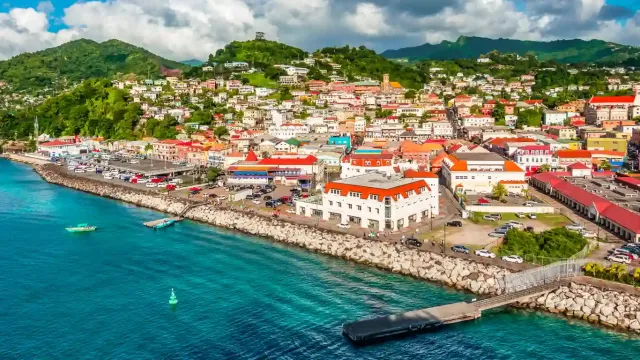











































St. Kitts & Nevis
The oldest and most renowned Citizenship by Investment program in the world.
View optionCitizenships create options you may not even be thinking about today
Your citizenship determines more than you realize:
It can shape your tax exposure, military service obligations,
and visa-free mobility — regardless of where you live.
As long as everything seems stable, this barely stands out.
But when rules change or obligations remain tied to your passport, citizenship becomes a strategic
factor.
A second citizenship is not a lifestyle upgrade.
It expands your legal framework and creates alternatives before they become necessary.
What residency cannot change is decided at the level of citizenship.
If tax liability becomes tied to your passport, changing residency is not enough. A second citizenship creates structural alternatives.
Obligations arise at the level of citizenship — not residency. A second citizenship can open up legal options here.
Visa-free access, residence rights, and consular protection depend on your passport. Multiple citizenships mean multiple points of access.
A second citizenship is not an escape option, but protection against political, legal, or fiscal dead ends. It creates the ability to act before that ability becomes necessary.
Property rights, banking access, education and healthcare systems, work and settlement rights — all of this is often more stable at the citizen level than at the residency level.
A second citizenship can be passed on to children. This turns a second passport from an individual option into a long-term family structure.
Not every path makes sense for everyone.
Familiar routes — such as marriage or descent — are legitimate options, but they are not
realistic for everyone.
These three paths are the most common options based on a clear legal foundation:
Those who live legally in a country for several years may be able to apply for citizenship under certain conditions. This path can be planned, but it requires actual presence, integration, and time.
Some states grant citizenship in exchange for a legally defined investment, usually as a donation to a state fund or through a real estate project. Naturalization is often possible within a few months.
In some countries, a child automatically receives citizenship if born there. This can create a residence right for the parents, which may later open the path to their own naturalization.
Not every citizenship program serves the same purpose.
What matters is not the country, but your starting point,
your time horizon, and your strategic objective.
The following profiles show which approach may make sense in which situation.
You want to build a second citizenship as quickly as possible. Lower international reach or geopolitical strength is secondary for you.
Recommended: Vanuatu · Nauru · São Tomé & Príncipe
You want to protect your family together without major additional costs. Maximum speed or international reach is secondary for you.
Recommended: St. Lucia · Antigua & Barbuda
You want a passport with strong visa-free access and stable international acceptance. A longer timeline or higher investment is secondary for you.
Recommended: St. Kitts & Nevis · Grenada
You want to secure the possibility of expanding your business into the United States later through a second citizenship. Other factors such as maximum visa-free access or the lowest entry cost are not decisive for you.
Recommended: Grenada
You want to build a second citizenship with the lowest possible entry cost. Maximum visa-free access or international prestige is not decisive for you.
Recommended: São Tomé & Príncipe · Vanuatu · Nauru
You want to deliberately diversify your citizenship outside the EU and classic Western structures. Maximum visa-free access is not your main priority.
Recommended: Vanuatu · Nauru · São Tomé & Príncipe
Here you will find specific programs that allow you to obtain a second citizenship directly through an investment.
The oldest and most renowned Citizenship by Investment program in the world.
View option Coming soon

Antigua & Barbuda is a sovereign island state in the Eastern Caribbean and a member of the British Commonwealth.
View option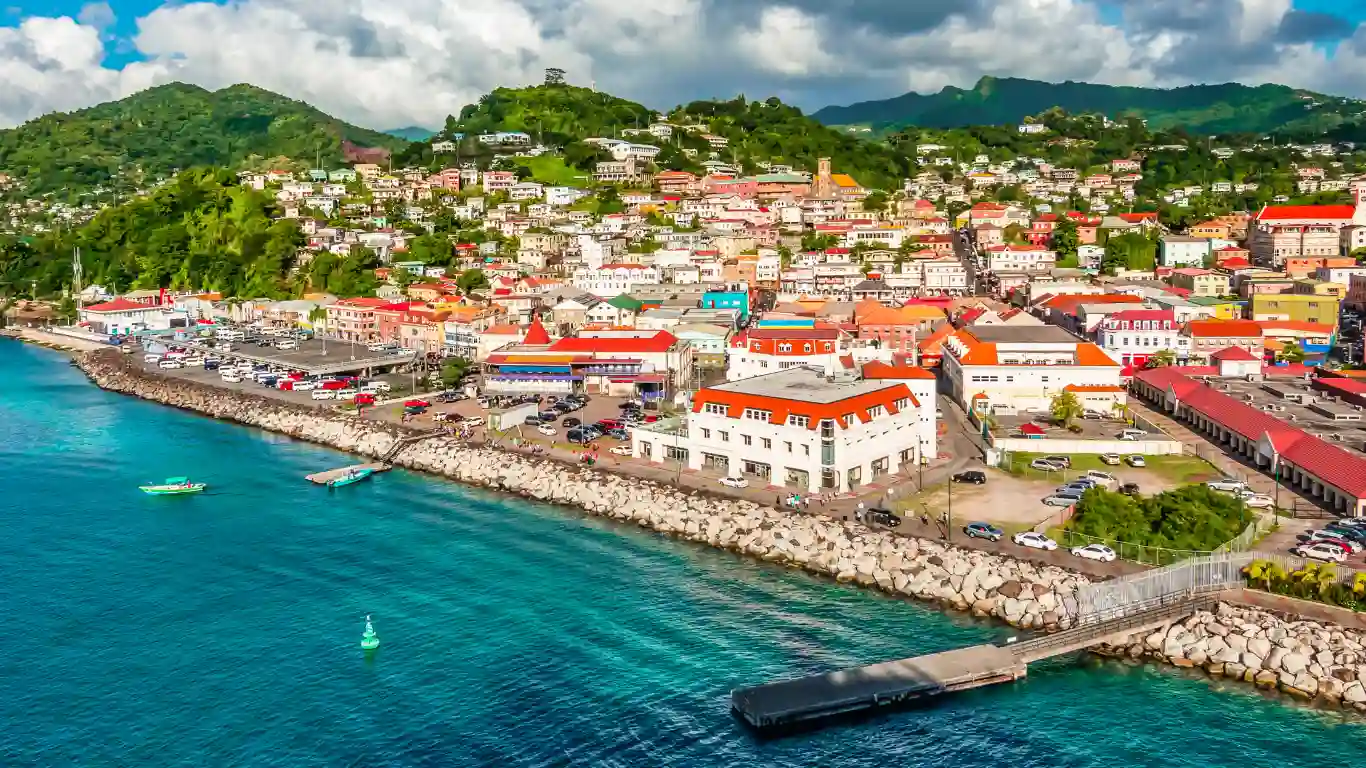
Grenada is a sovereign island state in the Eastern Caribbean and a member of the British Commonwealth.
View option
St. Lucia is an island state in the Eastern Caribbean between Martinique and St. Vincent & the Grenadines.
View option
São Tomé & Príncipe is a small island state in the Gulf of Guinea off the West African coast and is one of the smallest countries in Africa by land area.
View option
Vanuatu is a remote island state in Oceania, far from the major power blocs, with more than 80 islands in the South Pacific.
View option
Nauru is an island state in Micronesia, Oceania, and at just 21 km² one of the smallest countries in the world.
View optionHere you will find countries where you can build a second citizenship through a structured residency process.


A second citizenship in just 2 years through residency instead of investment.
View optionA second citizenship is an additional citizenship alongside your existing one. It expands your legal room for action and creates alternatives in areas such as taxes, mobility, security, and state obligations.
Yes, multiple citizenships are permitted in many countries. What matters is that the citizenship is obtained through official programs or procedures provided by law.
The most common paths are naturalization through residency, citizenship by investment (CBI), or descent. Which option makes sense depends on your situation, your budget, and your time horizon.
We have summarized the fastest and most realistic paths here: Second citizenship abroad – the fastest routes
This depends heavily on the path. CBI programs can be completed within a few months, while naturalization through residency may take several years.
Costs vary depending on the country and program. Investment programs usually start in the six-figure range, while other routes such as naturalization through residency are significantly cheaper but take more time.
Yes, many countries allow multiple citizenships. Whether you may keep your existing citizenship depends on the relevant national rules and should be checked in advance.
Obligations such as military service are linked to citizenship. A second citizenship creates the necessary basis for holding an alternative citizenship — however, the decisive point is whether German citizenship is relinquished if someone wants to remove that obligation.
More on this: Avoiding military service obligations with a second citizenship
If a state links tax liability to citizenship, changing residency alone is not enough. A second citizenship creates the basis for potentially relinquishing the existing citizenship in the future — and therefore for ending the foundation for that type of tax liability.
More on this: Understanding citizenship & taxation
A second citizenship alone does not automatically change your tax liability. In combination with a suitable residency and company structure it can be an important building block for tax optimization.
No. A second citizenship does not replace residency; it complements it. It is a strategic tool within an international structure — not a substitute for clean tax planning.