








































Georgia 2026: From Expat Haven to Regulatory Overload
Why Foreigners Are Now Leaving — and What You Can Learn from It
Reading time: 6 minutes
Reading time: 6 minutes
For years, Georgia was considered an insider option for anyone looking for a tax-friendly base for their business. Fast, affordable and light on bureaucracy — a small haven for digital nomads, expats and entrepreneurs.
But what once appeared to be a reliable structure is increasingly becoming an unstable foundation, shaped by seemingly arbitrary regulations, conflicting interpretations and growing protectionism.
A prime example is the Georgian LLC with IT tax status.
Years ago, many entrepreneurs and self-employed professionals formed companies in Georgia to benefit from the IT tax incentive and operate at an effective tax rate of 5%. At first, everything worked as promised. Over time, however, it became clear how quickly the underlying conditions could change.
Banking for foreign directors became the first problem. Suddenly, even established business accounts no longer appeared secure.
Then came the tax setback: the IT status was reinterpreted — and applied retroactively. What had previously been treated as “low tax” was later presented as an incorrect application of the rules. Many entrepreneurs were reassessed, facing significantly higher amounts than they had planned for.
This was not an isolated incident. It was an early warning sign of what has now become even more visible:
Growing protectionism, regulatory confusion and an environment in which nobody knows exactly which rules will apply tomorrow.

The developments in Georgia are not a matter of perception. They can be seen in specific legal and regulatory changes. A series of measures taking effect during the first half of 2026 will directly affect foreigners, whether they want to live, work or establish a business in the country.
✅ Driving licences now require residency
Until mid-2023, foreigners could obtain a driving licence in Georgia without difficulty, an option often used by nomads and expats.
A valid residence permit is now required.
✅ Mandatory health insurance for tourists
Since the beginning of 2024, all foreign visitors, regardless of nationality, have been required to provide evidence of accident and health insurance.
Although checks have so far remained uncommon, the measure creates another bureaucratic hurdle.
✅ VAT-free gold imports
Since 2024, VAT no longer applies to gold imports. This is a small advantage for precious-metal investors, but it does little to offset the wider regulatory trend.
From autumn 2026, international students are no longer expected to be admitted to public universities. Private universities will not be affected.
The stated goal is to reduce pressure on the public budget and limit the influx of low-cost students from third countries.
Until now, Georgia has had no real work-visa system. That is changing:
The sectors most directly affected include:
In these industries, the government intends to give preference to local workers.
Foreign entrepreneurs are already reporting that applications to expand businesses, including massage operations, have been rejected on the grounds that enough local providers are already available.
What remains unclear:
As things stand today, the rules remain open to interpretation, with no clear official position.
The minimum property investment required for a residence permit is increasing:
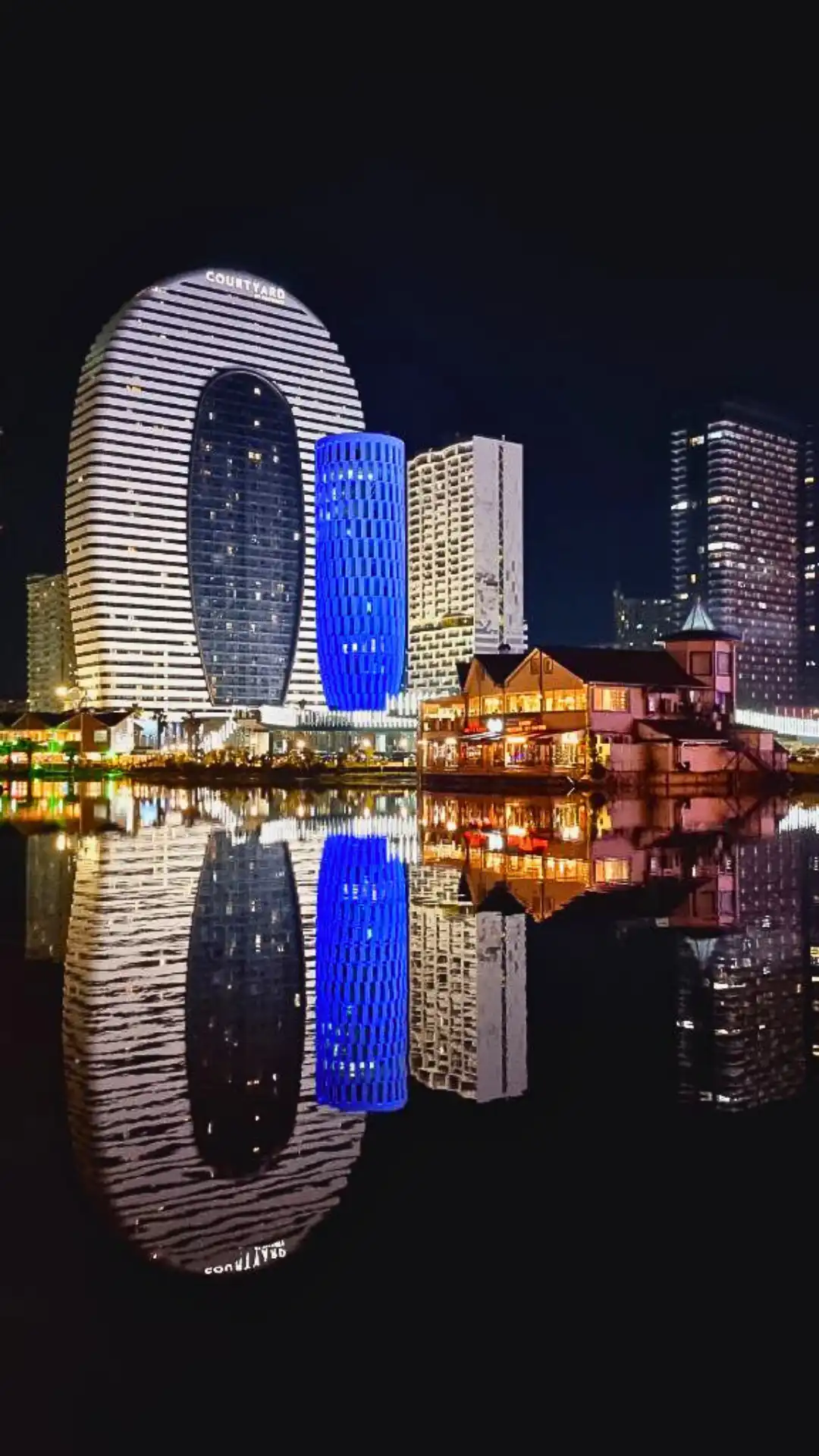
Georgia's construction boom, especially in Batumi, is impossible to miss. New high-rise buildings, apartments and holiday developments are appearing everywhere. But a closer look reveals the problem: not every project that begins is ever completed.
Buyers increasingly report that projects never start, are abandoned midway through construction or suffer delays lasting several years. Even buyers who have paid for their apartments in full may discover that promised amenities, such as luxury pools, gyms or communal spaces, are never delivered.
These personal experiences reflect warnings from market observers. The market lacks effective construction-law protections, reliable quality controls and binding enforcement mechanisms. Buying property in Georgia can therefore quickly become an investment without certainty, regardless of what the advertising material promises.
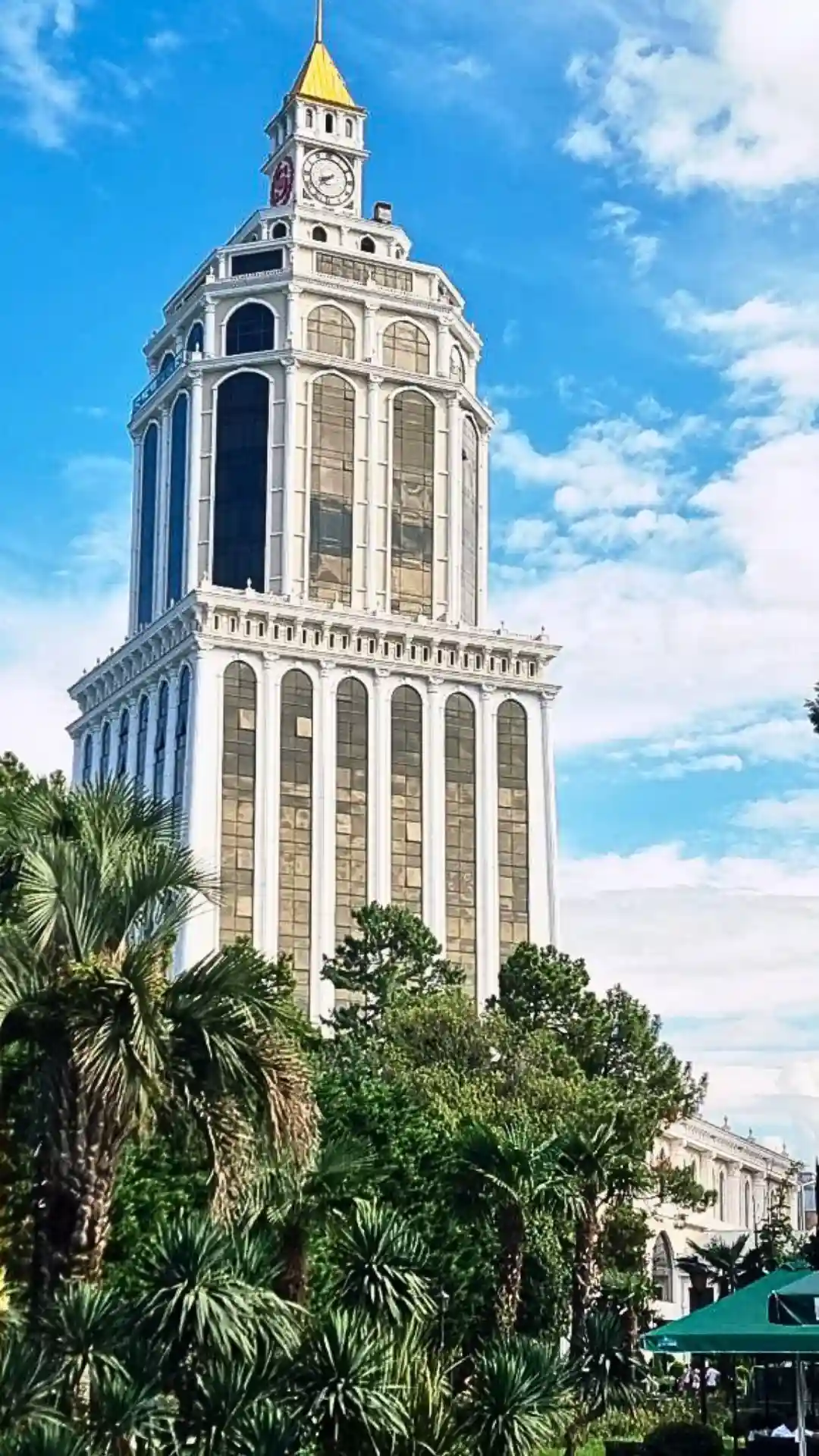
Despite the increasing regulation, Georgia remains attractive in several respects, particularly when compared with traditional high-tax countries and heavily regulated expat destinations.
Citizens of many countries continue to receive:
A visa-free stay of up to 365 days
No prior application or fee is required, making Georgia one of the easiest countries in the world for long-term stays.
Georgia's banking system remains internationally oriented and has a strong reputation, both within the
region and beyond.
International clients are generally well served, and selected banks still offer
straightforward remote account opening.
Outside Tbilisi, Georgia remains highly affordable. In Batumi, directly on the Black Sea, fully furnished apartments are available from approximately USD 300 per month.
Food, transport and services also cost considerably less than in many Western European countries.
Georgia imposes no taxes on wealth, inheritances or gifts.
This is an important factor for international asset protection, particularly when combined with the territorial tax system.
Georgia remains crypto-friendly, particularly within its banking sector.
Many banks and service
providers take an open and uncomplicated approach to digital assets, making the country attractive to
crypto investors.
A country opens its doors and attracts foreigners with low taxes, limited bureaucracy and favorable conditions, until political sentiment, social pressure or economic reality changes the direction of travel.
What appeared to be a “no-brainer” in 2020 may suddenly become a grey area or bureaucratic trap in 2026.
Remember: anyone who depends too heavily on one country will eventually pay the price.
Many people rely on a single location as though it were a permanent anchor.
But countries change, often faster than people expect.
A change of government, a budget deficit or a public narrative such as “foreigners are taking our jobs” can be enough to change the rules.
Not Georgia, Thailand, Portugal or Mexico.
Countries act in their own interests. When the conditions change and the rules begin working against you, it is time to reconsider your structure.
Traditional emigrants often move everything into a single country: residency, company and assets. An internationally structured person has one decisive advantage:
Instead of simply accepting the changes, you can respond.

What you need is not one country, but an international structure:
That is the only way freedom remains real rather than becoming a matter of hope.
Flag theory is not a myth. It is a response to a world that is constantly changing.
Anyone who intelligently distributes their life, business and assets will not be caught off guard. They remain able to act.
Last updated: February 13, 2026