













































How to Cash Out Crypto Tax-Free
The Countries Where You Can Do It Legally in 2025
Reading time: 12 minutes
Reading time: 12 minutes

Tax on crypto gains is standard in many countries. In a smaller number of jurisdictions, it is becoming a thing of the past. German private investors still benefit from a one-year holding-period exemption, but pressure on that rule is growing. The EU's MiCA framework has already been adopted, while policymakers in Berlin are openly discussing the abolition of tax-free treatment for private crypto gains. The window for easy planning is narrowing.
Those who act early still have options. Several countries offer lasting and legally defined tax-free treatment for private crypto gains, without a minimum holding period or flat withholding tax.
Panama is one example. A residency in Panama combines territorial taxation with an established residence process, making it a popular starting point for internationally mobile investors.
You do not need tricks. You need a well-planned decision about where to live, invest and establish your tax position.
This guide covers countries offering genuine tax advantages in 2025, assessed according to the following criteria:
Whether you are a perpetual traveler, digital nomad or planning a permanent exit, these are the places where private crypto gains may remain genuinely tax-free in 2025.

El Salvador is the pioneer among crypto-friendly tax jurisdictions. It became the first country in the world to introduce Bitcoin as legal tender, sending a clear signal to crypto investors. The small Central American country offers more than tropical weather and Pacific beaches. It has also built one of the world's most openly pro-crypto legal environments.
Private individuals in El Salvador can realize crypto gains without capital-gains tax. This applies whether you exchange, sell or hold Bitcoin and other cryptocurrencies. The treatment also extends to international investors who establish the appropriate legal and tax position.
You can officially pay with Bitcoin in El Salvador, from supermarkets to real-estate companies. The country has a government-supported wallet called Chivo, along with many private businesses that accept Bitcoin. Investments in projects and start-ups can also be made using crypto.
Many nationalities can stay in El Salvador for several months after entering the country. Those who want to remain longer can apply for temporary residency, often through a rentista program based on provable foreign income. The income requirement is currently around USD 1,460 per month, equivalent to four minimum salaries.
Yes. Since 2023, El Salvador has offered a formal route to citizenship through Bitcoin investment. Applicants who invest at least USD 1 million in Bitcoin or fiat currency in approved projects may apply for citizenship.
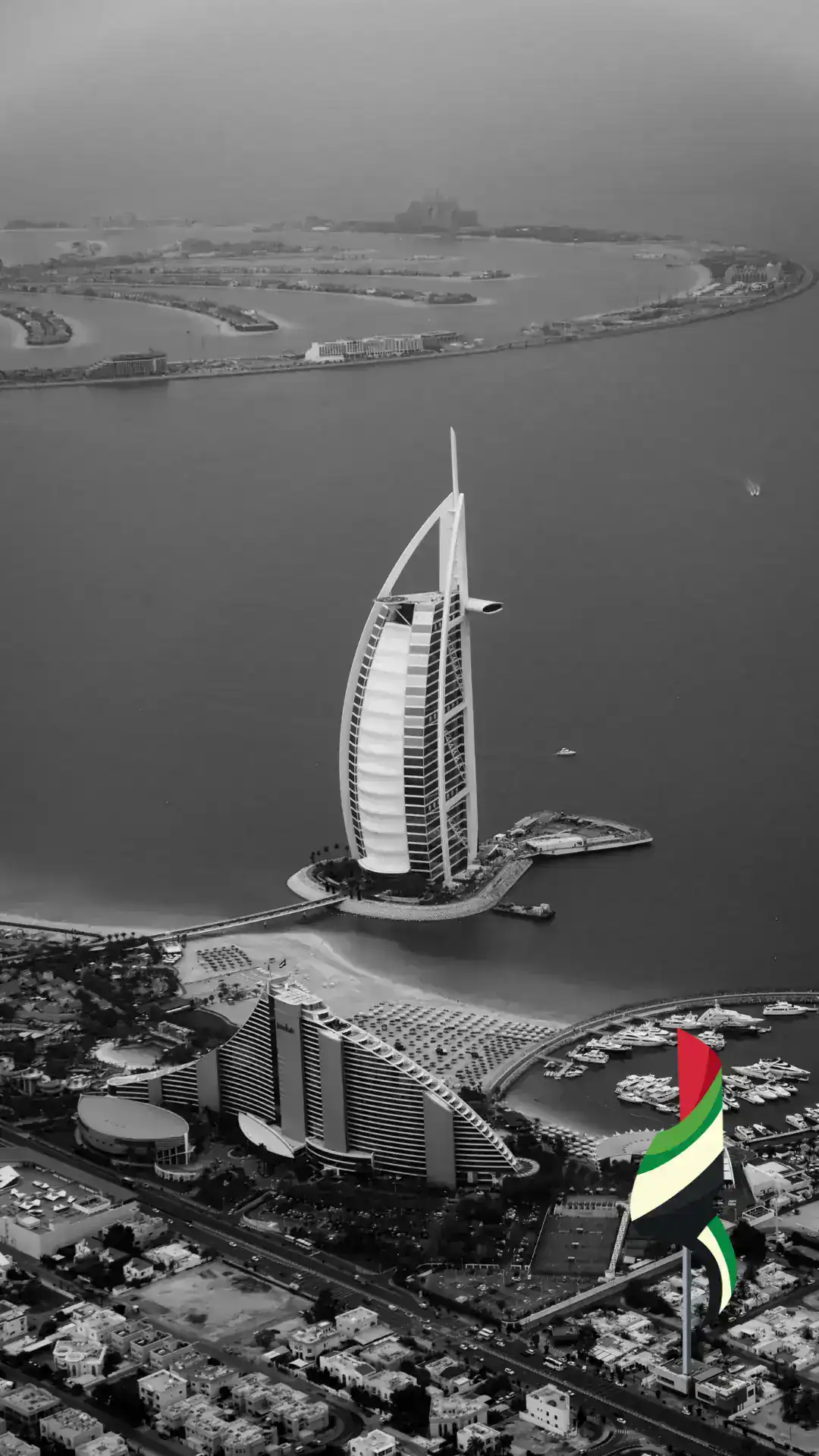
The UAE, and Dubai in particular, has become a global magnet for crypto entrepreneurs, investors and technology professionals. No personal income tax, world-class infrastructure, a high-end lifestyle and deliberate support for the digital-asset industry have made Dubai one of the world's most strategically important crypto hubs.
The UAE does not impose personal income tax or capital-gains tax. Private crypto gains can therefore remain fully tax-free, regardless of their size or the origin of the assets. Staking and trading gains earned by private individuals are also generally not subject to personal income tax.
Crypto is not legal tender, but it is accepted in many areas of the economy. Property, vehicles, luxury goods and even company-formation services can often be purchased using Bitcoin or USDT. Dubai also has dedicated regulatory structures for crypto businesses, including the Virtual Assets Regulatory Authority, or VARA.
Dubai offers several accessible routes to long-term residence. Investor and Golden Visas may be available from around USD 150,000 in qualifying investment, including property or company ownership. Holding a residence visa does not automatically determine your tax-residency status, which must be assessed based on your actual circumstances.
UAE citizenship remains extremely exclusive. It is granted only in exceptional cases, usually to major investors or individuals considered especially valuable to the country. For most people, long-term residence through a renewable visa is the realistic solution, without the personal tax burden found in many other jurisdictions.

Singapore has long been one of the world's leading financial centers and has also built a strong reputation in the crypto sector. The city-state combines political stability, economic freedom and advanced infrastructure. For crypto investors, its main advantages are clear regulation, no general capital-gains tax and an internationally connected business environment.
Singapore does not impose a general capital-gains tax. This can include gains from cryptocurrency transactions. As long as you are not operating as a business or professional trader, private crypto gains may remain tax-free. Income from staking or mining may be treated as taxable income depending on the circumstances and level of activity.
Crypto is not legal tender in Singapore, but it is increasingly used in practice. The country has exchanges, wallet providers, crypto payment services and merchants that accept digital assets. Property and company investments are usually handled indirectly through regulated conversion or payment providers rather than direct crypto settlement.
Singapore is selective but remains open to qualified entrepreneurs, investors and professionals. An EntrePass or Tech.Pass may be available to suitable founders and specialists. Other possible routes include the Personalised Employment Pass and the Global Investor Programme, which requires a substantial qualifying investment.
No. Singapore does not recognize dual citizenship for adults.
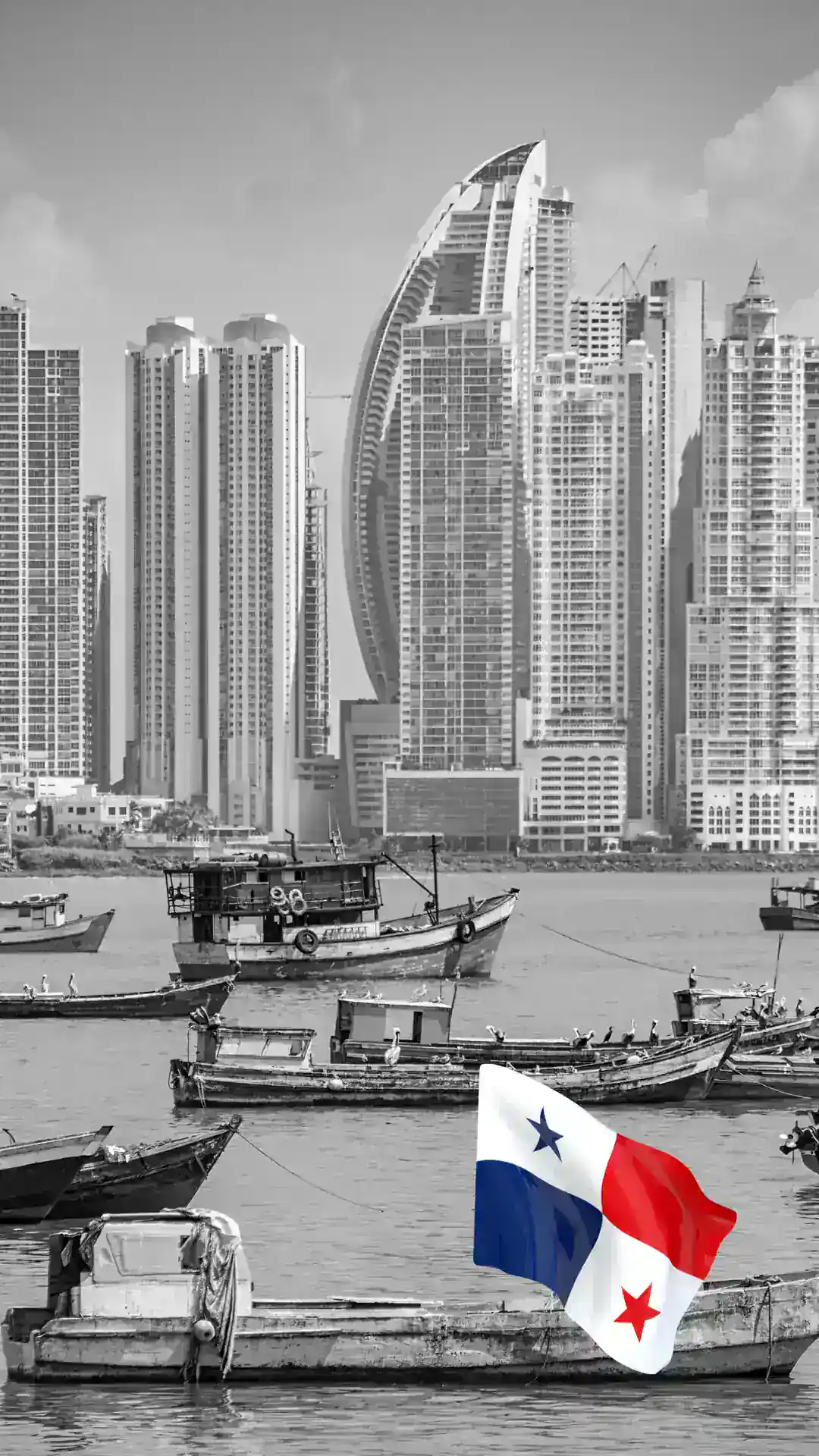
Panama is a classic territorial-tax jurisdiction and offers crypto investors a rare combination: favorable treatment of foreign income, political stability, an established banking system and accessible residence options. The country has also been working toward clearer rules for cryptocurrencies and digital assets.
Panama generally does not tax qualifying foreign-source capital gains. This may include crypto gains generated outside Panama. For private investors trading outside the country, the result may therefore be 0% local tax on crypto gains. Companies can also be structured efficiently under certain conditions.
A growing number of service providers, property companies and start-ups accept cryptocurrencies. A bill intended to recognize Bitcoin and other digital assets for payments was introduced in 2022, although it has not yet been fully enacted. The wider political signal remains clear: crypto businesses and investors are welcome.
Residency in Panama is available through employment, company ownership, property investment or retirement programs. Depending on the route, applicants may receive temporary residency first or move directly toward permanent residence. You can find the full details in our guide to residency in Panama.
Yes. Panama generally allows applicants to pursue naturalization after five years of legal residence.

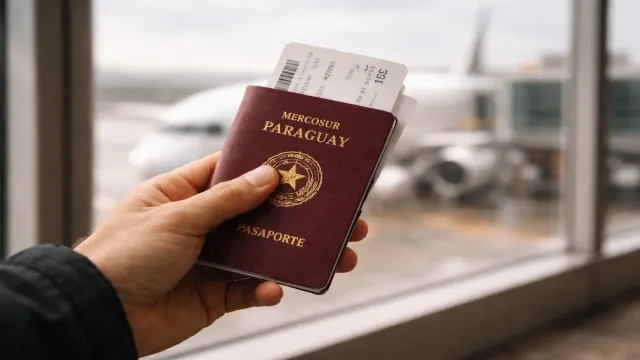
Paraguay is one of the most overlooked destinations for internationally mobile crypto investors. The landlocked South American country offers territorial taxation, relatively low living costs, accessible residency routes and growing interest in digital assets, while remaining outside the international spotlight. It is well suited to investors who prefer a lower-profile strategy.
For a detailed breakdown of this option, see our guide to residency in Paraguay.
Paraguay generally taxes domestic-source income. Crypto trading or investment gains earned by foreign residents without a local permanent establishment may qualify as foreign-source income, potentially resulting in a 0% local tax burden. Private mining may also receive favorable treatment in certain circumstances when it is not operated as a commercial business.
Crypto is not legal tender, but some companies in the property and technology sectors accept digital assets. Formal regulation is still developing, and the market currently operates with comparatively limited government intervention.
The standard route currently has few financial entry requirements and initially leads to temporary
residency. This can generally be converted into permanent residence after two years.
A direct permanent-residency route may be available through the investor program with a qualifying
investment of at least USD 70,000. You can find the full details in our guide to
residency in Paraguay.
Yes. After three years of qualifying residence, you may be eligible to apply for Paraguayan citizenship.

San Marino is a small independent country surrounded by Italy. It is not a member of the European Union and is therefore not directly subject to EU tax law or the MiCA framework.
San Marino does not generally impose capital-gains tax on private cryptocurrency holdings. Gains from selling or exchanging crypto may remain tax-free as long as the activity is not classified as a commercial business.
The country is open to blockchain technology and has introduced initiatives aimed at creating a legal framework for digital assets. Crypto payments are accepted in parts of the technology, financial and property sectors, although adoption is not yet widespread.
Residency may be available through forming a local company, investing in property or demonstrating secure income and a particular economic value to the country.
San Marino generally permits naturalization only after at least 30 years of residence, making citizenship unrealistic for most applicants.
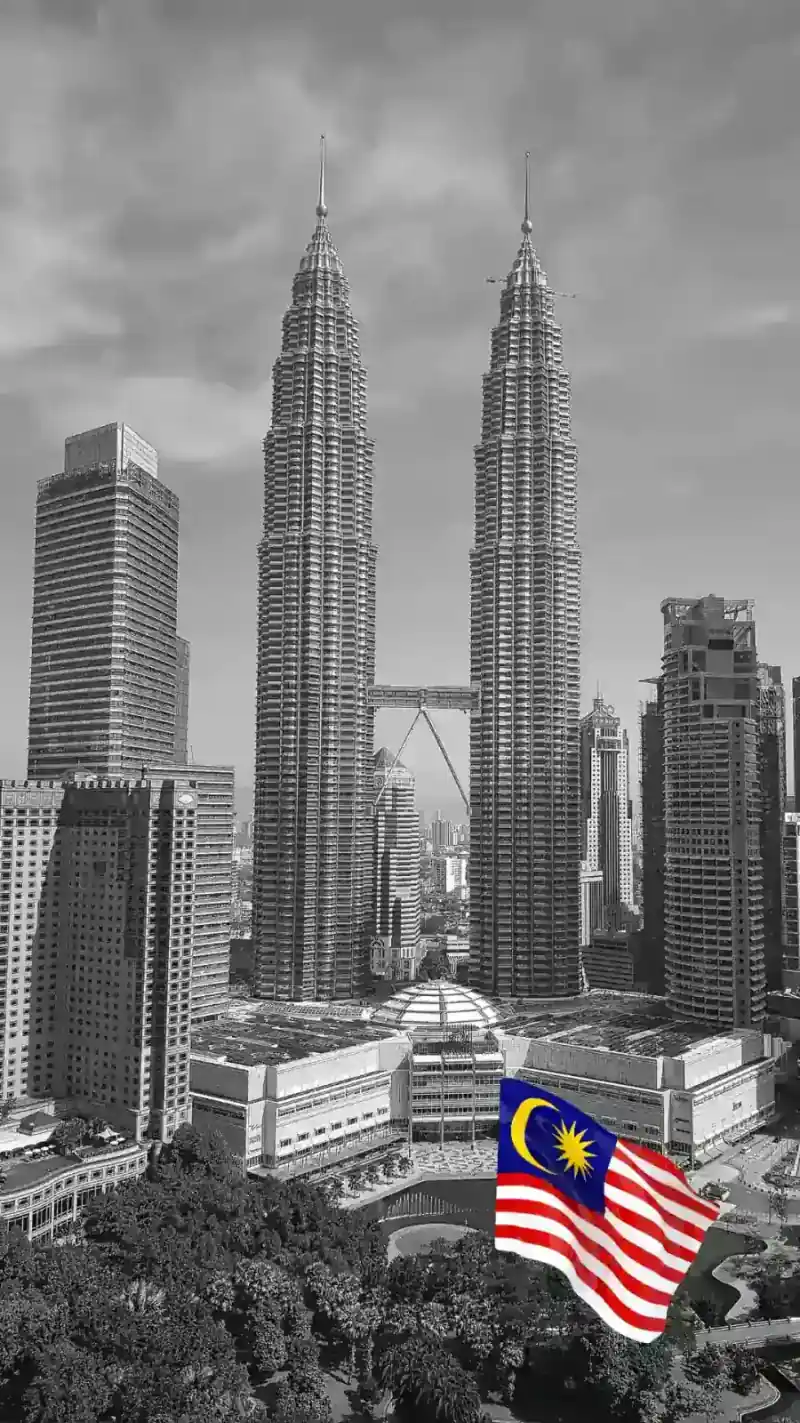
Malaysia is becoming increasingly popular with digital nomads, entrepreneurs and expatriates. Beyond its tropical climate and relatively low cost of living, it offers a pragmatic approach to private crypto investing, solid infrastructure and strong international connections.
Malaysia generally does not impose capital-gains tax on occasional private crypto gains. Investors who buy, hold or trade on a non-commercial basis may therefore pay 0% tax. Frequent trading or mining conducted with a clear profit-making intention may instead be treated as business income and taxed accordingly.
Crypto is regulated but not prohibited. Malaysia has licensed exchanges, wallet providers and a growing number of businesses that accept digital assets. Crypto is not officially recognized as legal tender, but it is increasingly used in urban centers.
Long-term residence may be available through the Malaysia My Second Home program, or MM2H, which requires proof of assets and a security deposit. Other routes include long-term visas for remote workers, professionals and investors.
Malaysia does not recognize dual citizenship. Anyone who naturalizes is generally required to give up their previous nationality.

The Cayman Islands are one of the world's best-known offshore financial centers and have long served as a destination for international capital. Crypto investors benefit from a tax-neutral environment, financial-sector expertise and an established regulatory framework in a stable, English-speaking Caribbean jurisdiction.
The Cayman Islands do not impose personal income tax, capital-gains tax or corporate income tax. Private crypto gains can therefore remain tax-free regardless of holding period or origin. Companies and funds can also operate without local corporate income tax.
Crypto is not legal tender, but the jurisdiction has created a regulated framework for crypto companies, funds and service providers. Private ownership, custody and investment are legal and widely accepted within the financial sector.
Residence permits may be available through qualifying property investment or the formation of a local business. Several long-term and permanent-residence options are available to applicants who meet the relevant financial requirements.
The Cayman Islands are a British Overseas Territory and do not offer a separate Caymanian citizenship program. Long-term tax-neutral residence may still be possible without creating UK tax residency.

The Bahamas were among the early movers in offshore crypto regulation. The country introduced a legal framework for digital assets while maintaining a tax-neutral environment for personal income and capital gains. Its international outlook and English-speaking business environment make it especially attractive to investors from North America and Europe.
The Bahamas do not impose personal income tax or capital-gains tax. Private crypto gains may therefore remain fully tax-free. Businesses can also benefit from the jurisdiction's broader tax-neutral structure, depending on their activities.
The Digital Assets and Registered Exchanges Act, or DARE Act, created one of the region's more developed regulatory frameworks for digital assets. Crypto is not legal tender, but it is widely used in investment and financial services and is increasingly accepted in everyday business.
Residency may be available through qualifying property investment. Applicants making a higher investment may also qualify for permanent residence.
The Bahamas does not currently offer a dedicated citizenship-by-investment program. Dual citizenship is also limited under the country's nationality rules.

A country that offers tax-free treatment to private investors is not automatically suitable for professional users. If you trade regularly, earn staking rewards or run a crypto-related business, many countries will classify the income differently and apply personal or corporate income tax.
This distinction between private wealth and active business income is a central principle of the flag theory approach to wealth and taxation.
The following jurisdictions may also be attractive for active crypto income:
✅ Well suited to high-volume traders, start-ups and crypto funds
✅ Popular for holding and trading companies with international operations
✅ Strong compliance standards, but a professional setup is usually required

The objective: hold, trade and cash out crypto without creating unnecessary tax exposure or banking problems.
Some jurisdictions allow you to process crypto-to-fiat transactions through centralized exchanges without local withholding tax and with a less aggressive regulatory environment. Your personal tax and reporting obligations still depend on your citizenship, residence and actual tax status.
Important: Use reputable exchanges with transparent compliance requirements, secure self-custody options and a banking connection that matches your documented source of funds.
You need banks that:
Living tax-free with crypto requires more than choosing a low-tax country with tropical beaches. You need a coherent international setup.
You need an exchange based in a suitable jurisdiction and capable of processing your transactions legally. You need a bank account that accepts properly documented crypto proceeds without constantly freezing legitimate payments. Most importantly, you need a clear and well-documented tax position, whether that means genuinely remaining outside the tax-residency systems of high-tax countries or establishing residency in a territorial-tax jurisdiction where qualifying foreign crypto gains are not taxed.
Only by combining these elements can you use crypto internationally, flexibly and legally while reducing tax exposure and avoiding expensive surprises.
To explore how international residency can support a broader freedom strategy, see our overview of residency options abroad.
Last updated: June 6, 2025