



















































Your Thailand Visa Is Not an Exit Strategy
Thailand DTV 2026: Why digital nomads now need to prove residency in their country of application.
Reading time: 2 minutes
Reading time: 2 minutes
Thailand has long been one of the most attractive destinations for digital nomads and expats. The appeal is obvious: a tropical climate, relatively low living costs and, with the Destination Thailand Visa (DTV), a visa that is valid for five years and allows stays of up to 180 days per entry.
But within a matter of weeks, Thailand significantly changed the rules.
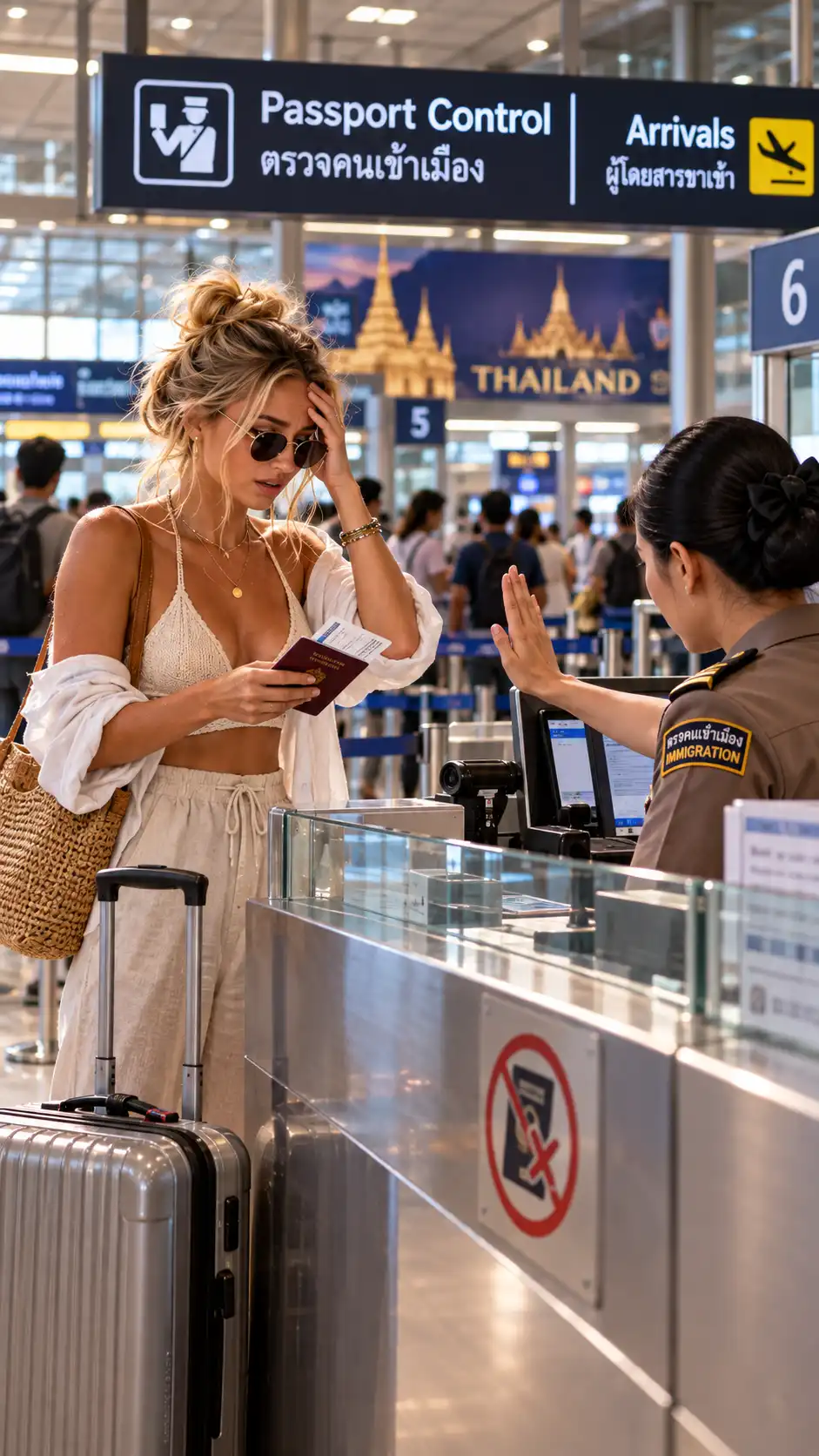
Since August 31, 2026, DTV applicants have been required to provide proof of residency in the country where they submit their application through a Thai embassy or consulate. A criminal record certificate is now required as well.
Anyone who already holds a valid DTV is not affected by the new documentation requirements.
That creates a problem for anyone who left Germany, officially deregistered and then lived without a fixed residence.
Just two weeks later, another change followed: Since September 15, Germans have been
allowed to stay in Thailand visa-free for only 30 days instead of the previous
60.
Thailand shows how quickly a seemingly secure relocation strategy can
unravel.
A visa gives you permission to enter and stay in a country under certain conditions. It does not guarantee permanent residence, does not automatically establish tax residency and is certainly no substitute for a robust international residency structure.
The Destination Thailand Visa is valid for five years, allows multiple entries and permits stays of up to 180 days per entry. You can apply for a further 180-day extension through Thai immigration. After that, you must leave the country, but you can re-enter while the visa remains valid.
On paper, that sounds like long-term security.
But what happens when those five years are over?
The DTV does not come with automatic renewal or any entitlement to permanent residence. If you want to stay in Thailand after that, you will need to qualify under whatever immigration rules are in place at the time.
The latest restrictions already show how quickly those requirements can change. Existing DTV holders may not be affected by the new documentation rules, but anyone who needs to apply for a new visa in the future could face an entirely different set of conditions.
Another distinction matters here: three terms that are often used interchangeably actually mean very different things:
The Thailand DTV may be an attractive long-stay visa, but it is not a substitute for a properly structured long-term residency strategy.
If your entire relocation strategy rests on a single visa program, your future also rests on decisions made by the Thai authorities.
You do not necessarily need to establish residency in the same country where you want to spend most of your time.
This is exactly where flag theory comes in: Instead of relying on one country for everything, you deliberately separate residency, taxation, banking, business and other parts of your international setup.
An international residency can offer several important advantages:
You can therefore live in Thailand without making your entire international structure dependent on a Thai visa.
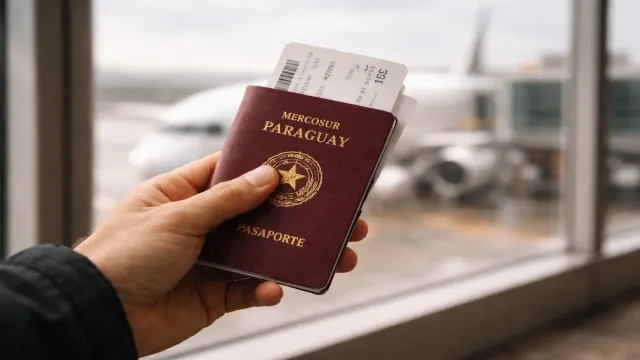
One example is Paraguay. The country offers a territorial tax system, the possibility of obtaining permanent residency and a Paraguayan Cédula identity card. In terms of cost and practical value, Paraguay can be an attractive option for establishing an additional international base.
At Detoxhelden, we help you build a residency structure that fits your lifestyle and international goals.
Last updated: September 28, 2026